I Didn't Do Anything Big with AI This Week, but I Found a Problem
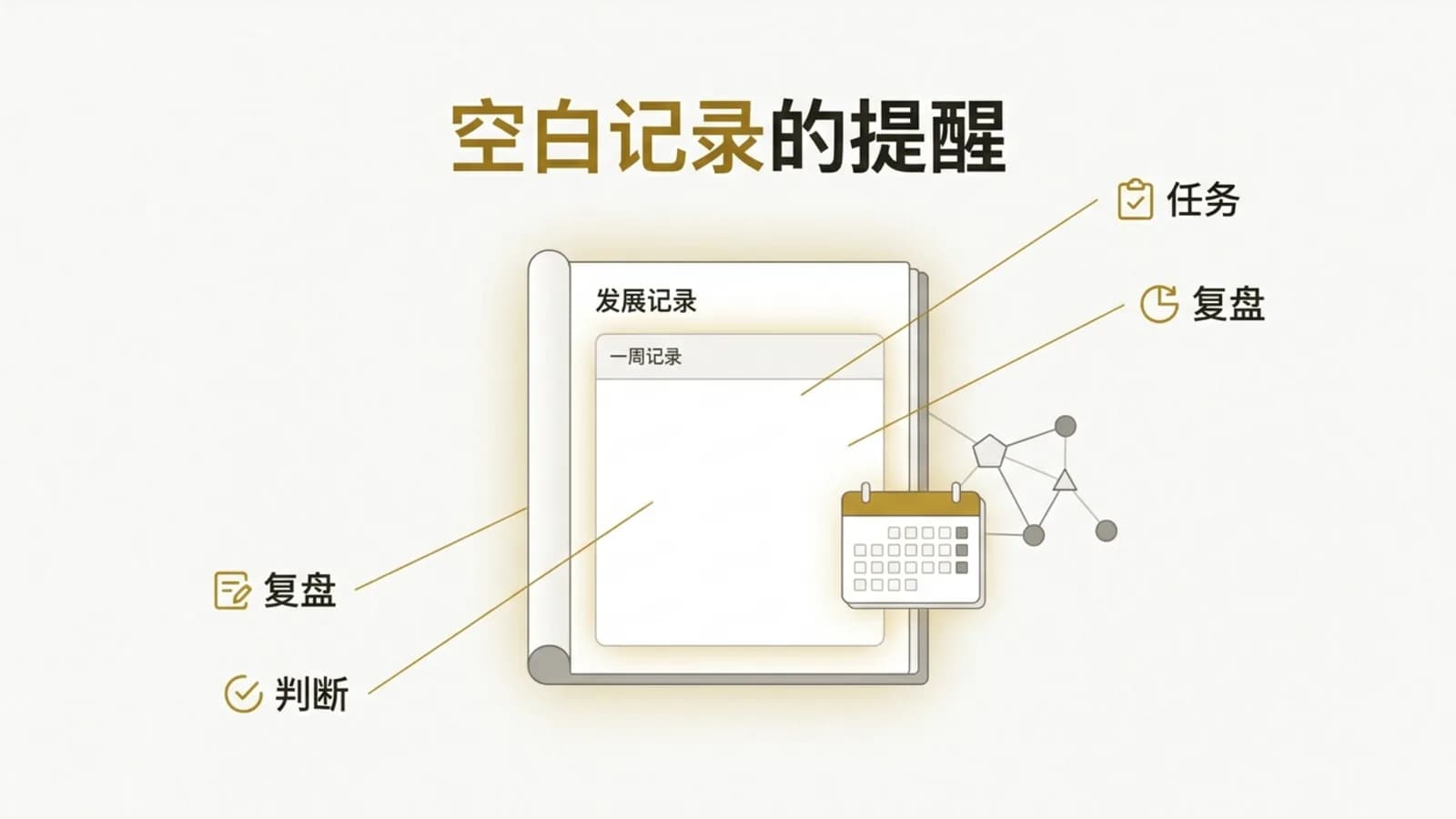
While looking back on "what I've been doing with AI lately" this week, I ran into a slightly awkward but very honest result: there were no new AI collaboration records in the last 7 days.
If the goal were a nice-looking progress update, I could easily dress this up. But for me, the whole point of building in public is being clear about where things actually stand: this week there was no real AI-assisted output, and no shiny new feature I could spin into a win.
1. A blank record is information too
I used to treat AI almost by reflex as a speed boost: breaking down tasks, tightening up my writing, running retrospectives, drafting first versions, or bouncing ideas around before making a dev decision.
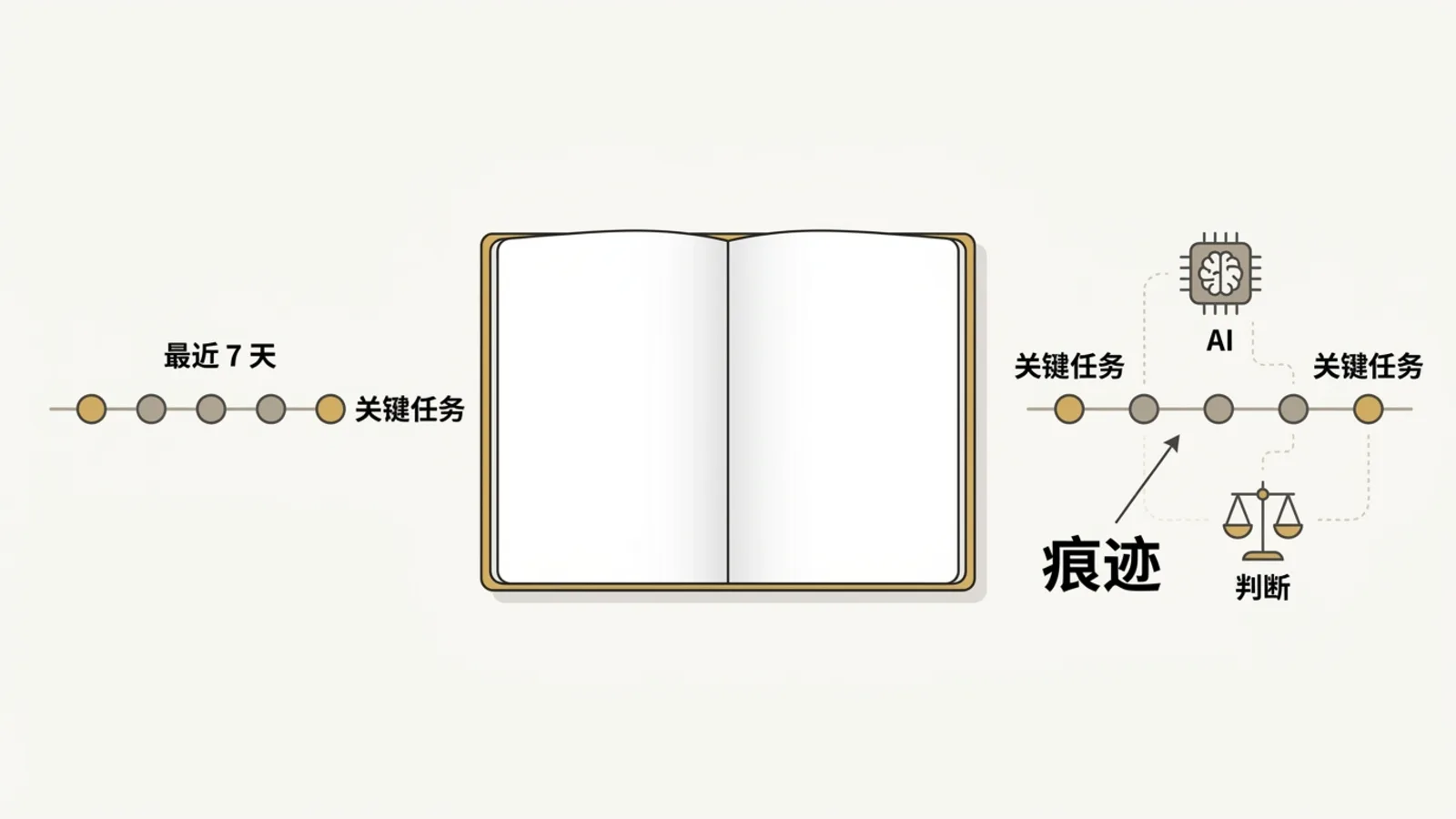
But this week's log is empty, which means one of at least two things happened: either I really didn't use AI on anything important, or I did use it and just didn't leave a trace.
The second one is the one to worry about. As a developer, the valuable part isn't being able to say "I used AI to be more productive." It's being able to look back and see clearly where I was stuck, which step AI actually moved forward, and which calls I still made myself.
2. What I fixed wasn't a feature, it was my retro process
This retro made me realize that an AI workflow with no logging quickly turns into pure improvisation.
It might feel smooth in the moment, but a week later it's hard to tell what problem it actually solved, and there's nothing you can reuse for the next task.
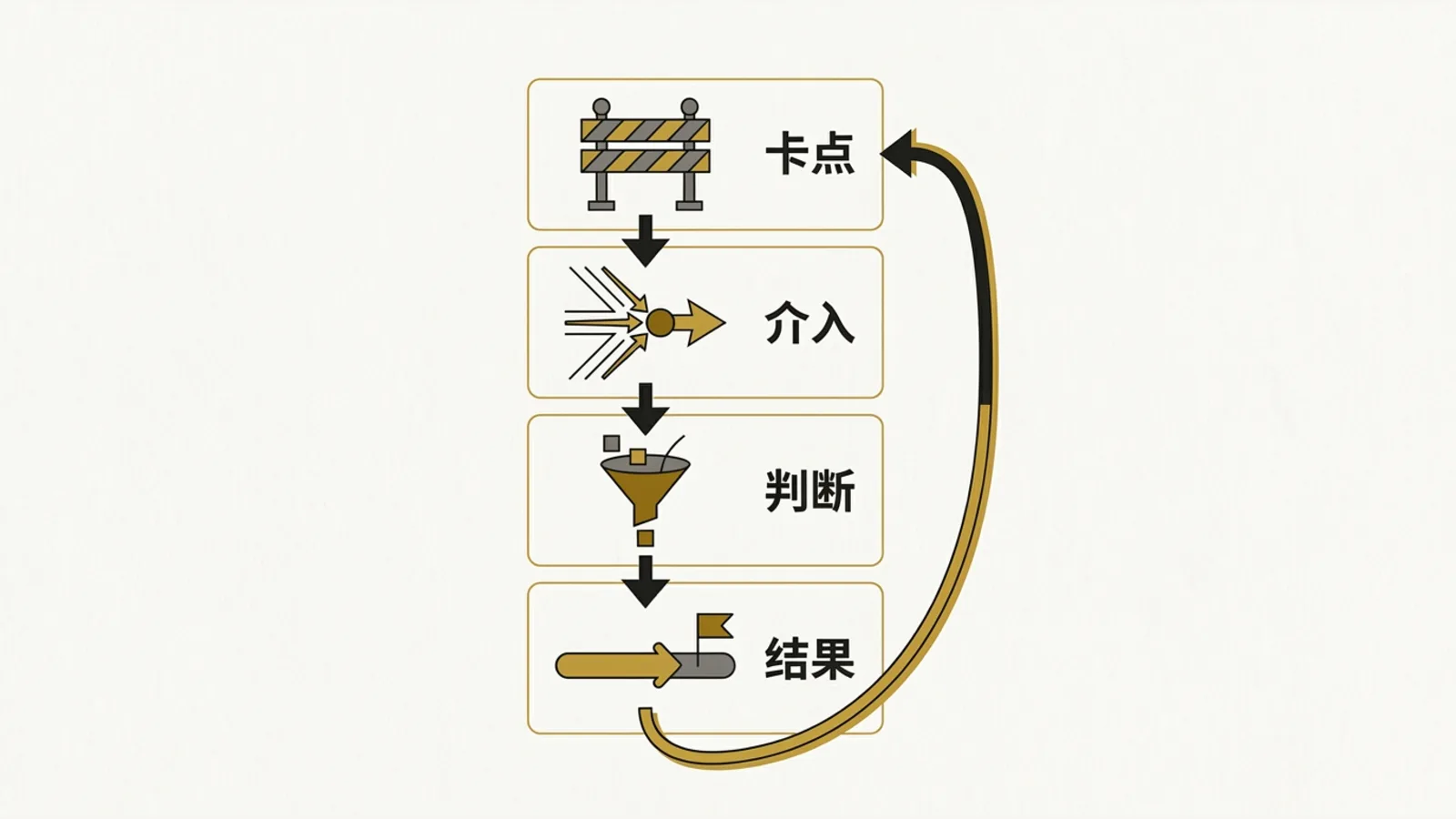
So the real problem I solved this week was "how do I make AI collaboration reviewable?" I set myself a tiny logging framework:
- Blocker: where was I actually stuck
- Assist: what did AI do for me
- Judgment: what did I keep, change, or throw out in the end
- Outcome: did this session actually move things forward
It's not complicated, but it keeps me from walking away with nothing more than a vague feeling of being productive.
3. AI doesn't need a highlight reel every week
I'm more and more convinced that the value of working with AI doesn't always show up as "look at the cool thing I built this week." Sometimes it shows up as noticing a break in your rhythm, spotting a gap in your logs, or realizing the way you lean on your tools still isn't very stable.
This week's blank was a reminder: if I want AI to be a real part of my long-term workflow, I can't just reach for it when I need output. I also need to record how it shaped my judgment, my trade-offs, and my retros.
4. What I'm doing next
Going forward, I'll try to turn every AI session into a short note. Not long, not polished, just clear on three things: what problem it solved, which step AI helped with, and what I learned.
There's no big win in this post, just one small, honest discovery: a blank log isn't a failure. It's a signal that my workflow has a gap to fill.
If you're also using AI for dev, product, or content work, drop a comment and let's talk: do you keep a record of how AI fits into your work?