This Week, AI Was Basically My Entire Tech Team

I spent the past week working alongside several AI sessions running on my machine. Looking back, I didn't hand-write much of the core code myself, but I shipped a lot more than usual. No fluff today: I'll just walk through the things that actually got done, and talk a bit about how far this pair-with-AI way of working can really go.
1. A section of my site that maintains itself
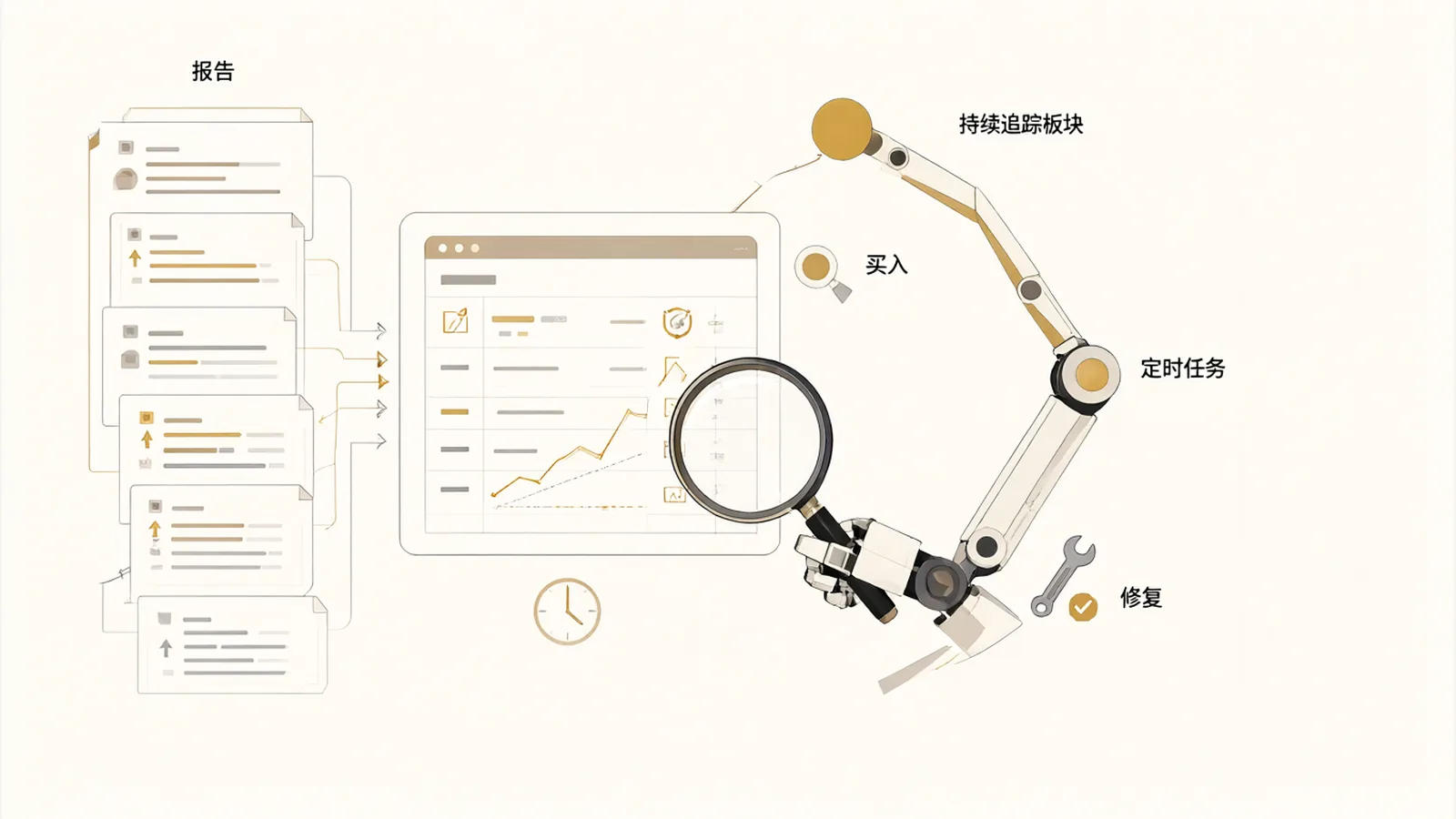
My personal site publishes investment research every day, and plenty of those picks get a Buy rating. Until now, those calls were scattered across daily reports. You'd read them and move on. This week I built a tracking section that pulls every stock the research has called a Buy into one page and updates it as ratings change.
The fun part was the final step. I had the AI set up a scheduled job that runs first thing the next morning to check whether yesterday's commit actually included the tracking update. If it didn't, the job troubleshoots, fixes it, and confirms the page loads fine. It's like hiring a night-shift ops engineer: I sleep, it keeps watch.
2. Fixing a hang that never threw an error
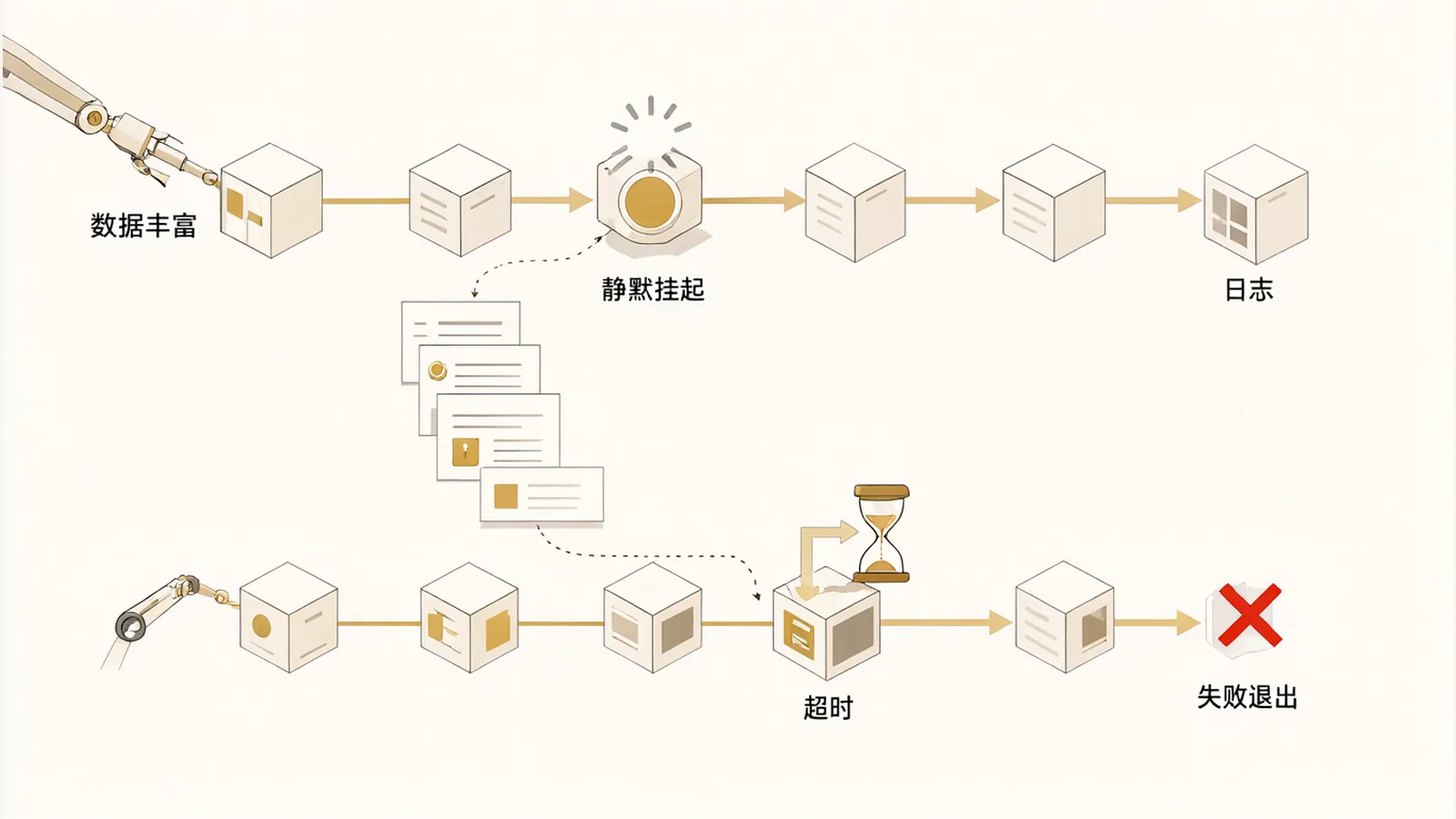
The scariest thing in a data pipeline isn't an error. It's when the pipeline quietly gets stuck: it doesn't finish, doesn't alert, and you assume it's still running. That's what happened this week. The daily run would silently hang at the data enrichment step. The AI and I traced it through the logs step by step, found the exact spot where it stalled, and added a timeout as a safety net. Now it would rather fail and exit than pretend it's still alive.
3. Data source tuning, on a budget
One of the financial data APIs I use is on the free tier, and it keeps returning 402s when I hit the limit. Instead of treating that as running out of quota, I routed around it: I now pre-fetch analyst price targets and technical indicators from public pages to fill in the data that was missing. The briefing quality that day was noticeably better. It was also a good reminder that a lot of "not enough data" problems aren't about money. The data-fetching path just wasn't designed well.
4. Oh, and it fixed my WiFi too
The most random one: every other device on my local network was fine, but this one machine kept dropping WiFi every few days. So I just had the AI debug it. It traced the problem to the network card's power-saving setting, changed a boot parameter, and tweaked the order in which configs get loaded. A coding assistant ended up fixing my network on the side.
Wrapping up
My biggest takeaway this week: the real value of AI isn't necessarily writing code faster. It's that it can play backend engineer, ops, DBA, even a stand-in network engineer, all at once. Your job is to get the direction right and draw clear boundaries, then let it grind through the tedious, draining grunt work.
What's something you've recently pulled off with AI that you wouldn't have dared to try on your own before? Let me know, and I'll pick a few to write about in more depth.